How to Dress a Diamond Grinding Wheel for Optimal Performance
Mastering the dressing techniques for diamond grinding wheels is key to improving cutting efficiency. Over time, metal or resin binders accumulate debris, causing the grinding wheel to lose its sharp cutting edge. You need to restore its performance through proper maintenance. Understanding this process can save your factory both time and money. Although premium diamond grinding wheels, such as those from Z-LION, offer exceptional durability, proper dressing and maintenance remain essential. This guide will demonstrate the precise methods for maintaining grinding tools, helping you maximize output and reduce operating costs.
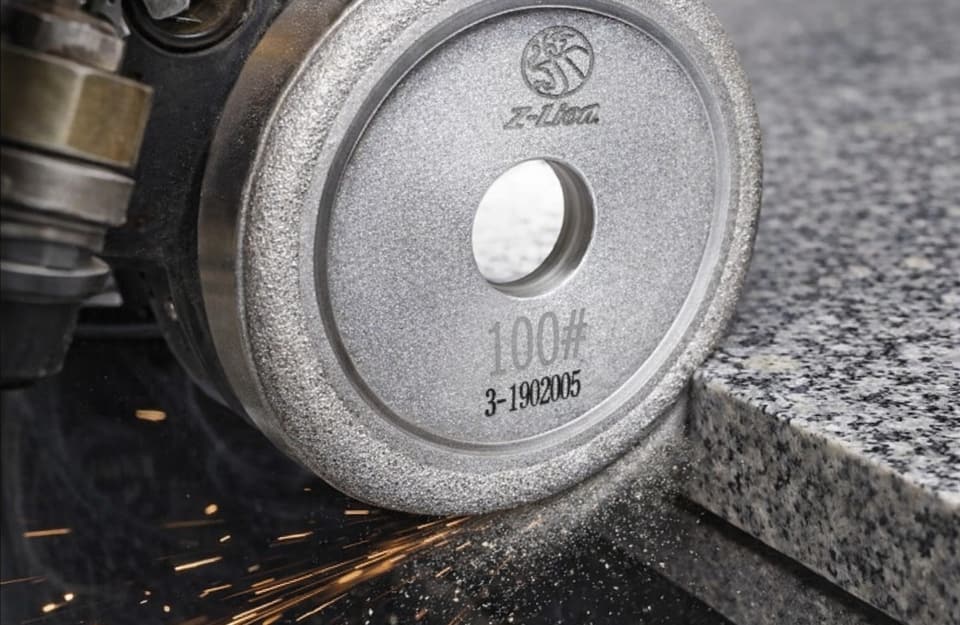
What Is Diamond Grinding Wheel Dressing
Diamond wheel dressing is a critical maintenance procedure designed to remove dulled abrasive grains and debris from the wheel’s surface. After dressing, new, sharp diamond grains are exposed, and the wheel regains its cutting ability.
Why is Dressing a Diamond Wheel Necessary
During operation, friction and heat break down the material being cut, and the resulting debris adheres to the wheel, causing "loading" or "glazing." Once the wheel loses its cutting ability, it begins to rub against the workpiece, generating excessive heat and damaging both the workpiece and the tool. Dressing removes this debris, prevents thermal damage, and ensures consistent cutting efficiency.
Difference Between Dressing and Truing Diamond Wheels
Professionals often confuse dressing with truing, but the two are distinctly different. Truing restores the physical shape of the grinding wheel, while dressing restores its cutting surface.
| Feature | Truing | Dressing |
|---|---|---|
| Primary Goal | Restore perfect roundness and profile. | Expose new diamond grit for cutting. |
| Material Removal | Remove the bonding agent and diamond abrasive grains from the grinding wheel. | Removes only clogged debris and some of the bonding agent. |
| When to perform | After installing a new grinding wheel or when uneven wear occurs. | When the grinding wheel becomes dull or stops cutting. |
| Tools Required | A brake-type dressing device or a rotary diamond tool. | A dressing bar or a specific diamond dresser. |
When Should You Dress a Diamond Grinding Wheel
Close monitoring of the equipment is essential. Failure to dress the wheel in a timely manner can lead to serious damage, so it is important to recognize early warning signs.
Signs of Glazing and Wheel Loading
Pay attention to the following key indicators during operation:
Decreased cutting speed: The machine requires more force to operate.
Burn marks: Charred marks or discoloration appear on the workpiece surface.
Smooth surface: The grinding wheel feels abnormally smooth to the touch.
Excessive vibration: The machine shakes or vibrates noticeably more.
Increased sparks: An abnormal increase in sparks during grinding.
Recommended Dressing Frequency
Dressing frequency depends on the specific application; there is no universal standard. Grinding soft, sticky materials requires frequent dressing, while grinding hard, brittle materials requires less frequent conditioning. Dress the wheel immediately upon noticing signs of glazing; let the tool’s performance guide maintenance timing rather than adhering to a rigid schedule.
Impact of Poor Maintenance on Cutting Efficiency
Neglecting maintenance can severely impact work efficiency. A glazed grinding wheel forces the motor to operate under excessive load, potentially burning out expensive equipment. Additionally, it can damage precision materials such as Dekton or glass, resulting in high scrap rates. A poorly maintained grinding wheel will degrade more rapidly, leading to premature replacement.
Tools Used to Dress Diamond Grinding Wheels
Choosing the right tools is crucial. Using the wrong tools can damage expensive diamond grinding wheels.
Diamond Dresser Tools and Their Applications
Diamond dressers utilize industrial diamonds and are primarily used for conditioning conventional grinding wheels. Manufacturers mount the diamonds in steel shanks. These tools are mainly used for truing conventional grinding wheels, though certain metal-bonded diamond wheels may require specialized rotary dressers.
Single Point vs Multi Point Diamond Dresser
Single point diamond dressers contain only one large industrial diamond, making them suitable for precise profiling and truing, but they wear out more quickly under heavy loads. Multi point diamond dressers, on the other hand, contain multiple smaller diamonds, which distribute heat and wear more evenly, resulting in a longer service life in industrial mass production.
Abrasive Dressing Sticks for Cleaning and Conditioning
Grinding dressers are the optimal choice for resin- and metal-bonded diamond wheels. These dressers are typically made of aluminum oxide or silicon carbide. When a dresser is pressed against a rotating grinding wheel, it wears down and removes the bonding agent surrounding the diamond grains, thereby exposing sharp diamond particles without damaging the diamonds themselves.
How to Dress a Diamond Grinding Wheel Step by Step
Dressing a diamond grinding wheel requires strict attention to detail. Following these steps ensures safe and precise operation.
Preparation and Safety Setup
Safety first. Be sure to wear ANSI-compliant safety goggles and a face shield, along with heavy-duty gloves and a dust mask. Ensure the grinder is securely anchored to the floor or workbench, and clear the work area of flammable materials.
Proper Dressing Process and Key Parameters
Follow this sequence to effectively dress the wheel:
Step 1: Start the Machine. Turn on the grinder and allow the wheel to reach full operating speed. Never use the dressing tool while the wheel is accelerating.
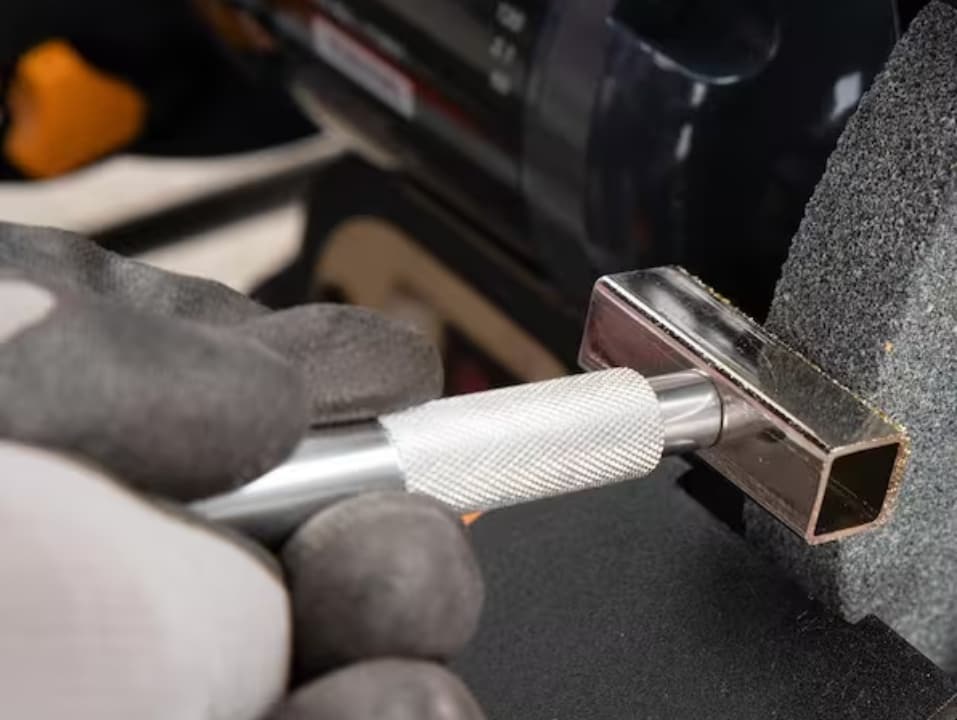
Step 2: Position the Dressing Strip. Hold the aluminum oxide dressing strip firmly with both hands, resting your hands on the machine’s tool rest for stability.
Step 3: Apply the Dressing Strip. Gently push the dressing strip straight toward the rotating grinding wheel. Do not apply excessive pressure; allow the grinding wheel to naturally wear down the dressing strip. Move the dressing strip back and forth across the entire working surface of the grinding wheel for 3 to 5 seconds.
Post-Dressing Inspection and Performance Check
After using the dressing strip, turn off the machine and wait for the grinding wheel to come to a complete stop. Visually inspect the wheel’s surface—it should have a matte finish, feel slightly rough to the touch, and show individual diamond grains slightly protruding from the bond. Finally, test the grinding on scrap material to confirm that the cutting speed has been restored.
What Type of Grinding Wheel Can't Be Dressed
Electroplated diamond grinding wheels cannot be dressed. These wheels have only a single layer of diamond grains on a steel substrate; dressing would strip away the sole diamond layer, immediately destroying the tool. Electroplated wheels must be replaced once worn.
Choosing the Right Diamond Grinding Wheel and Dressing Solution
Industrial manufacturing requires reliable tools. Choosing the right grinding wheel can prevent excessive downtime, so tools must be selected based on the specific application.
Selection Criteria Based on Bond Type and Application
The wheel’s bonding agent determines maintenance requirements. Resin-bonded wheels are suitable for brittle materials, providing fast and smooth cutting, but require frequent dressing. Metal-bonded wheels are used for concrete and steel; they offer excellent durability and longer retention of shape, but require more abrasive aluminum oxide dressing strips once they become dull.
Matching Dressing Tools with Diamond Grinding Wheels
The grit size of the dressing strip should match that of the grinding wheel. Fine-grit diamond grinding wheels should be paired with fine-grit dressing strips, while coarse-grit concrete floor grinding wheels should be paired with coarse-grit dressing strips. Proper matching prevents excessive exposure of the diamonds and avoids premature wear of the grinding wheel.
Conclusion
Mastering the dressing techniques for diamond grinding wheels keeps your production operations running smoothly. The key lies in monitoring signs of dulling, selecting the correct aluminum oxide dressing strips, and strictly adhering to safety protocols. Proper dressing not only extends tool life but also ensures a flawless finish on your workpieces. Choosing high-quality industrial-grade grinding wheels from the start can significantly reduce the burden of subsequent maintenance.
If you need expert guidance in selecting diamond abrasives for specific applications, we’re here to help. Contact our sales team today for quotes and technical specifications, and let us help you maximize your project efficiency.
Frequently Asked Questions
What happens if you don't dress a diamond grinding wheel?
Failure to dress a diamond grinding wheel leads to debris clogging, causing the wheel to become dull and lose its cutting ability. The wheel will generate excessive friction and heat; extreme temperatures can deform the workpiece, burn the material, and ultimately compromise the wheel’s structural integrity.
Do you need to dress a new grinding wheel?
Yes, new grinding wheels typically require both dressing and dressing. Dressing ensures the wheel runs concentric with the machine spindle, eliminating vibration. After dressing, the wheel must be dressed to open the abrasive bond and expose the first layer of sharp diamond grains, achieving optimal cutting performance.
How to fix clogged diamond grinding wheel?
To repair a clogged diamond grinding wheel, press an aluminum oxide dressing bar against the rotating wheel. The soft dressing bar will grind away the clogged debris and melted bonding agent, cleaning the wheel’s surface and exposing the new, sharp diamonds beneath.
What is the best way to dress diamond grinding wheel?
The best method is to use a high-quality aluminum oxide or silicon carbide dressing bar. Securely mount the dressing bar on a holder, gently push it straight toward the surface of the rotating wheel, and move it evenly across the entire surface for a few seconds until the wheel regains a rough texture.
How to sharpen a diamond grinding wheel?
The process of sharpening a diamond grinding wheel is actually dressing. It is not possible to truly sharpen the diamonds themselves; rather, the dressing strip removes the metal or resin bond that holds the dulled diamonds in place, releasing them and exposing the sharp, new diamond grains beneath.
-
Online service
-
Official wechat account

-
QQ:40933769
-
E-mail:sales@z-lion.com
Online Message
Please feel free to give your inquiry in the form below. We will reply you in 24 hours.